
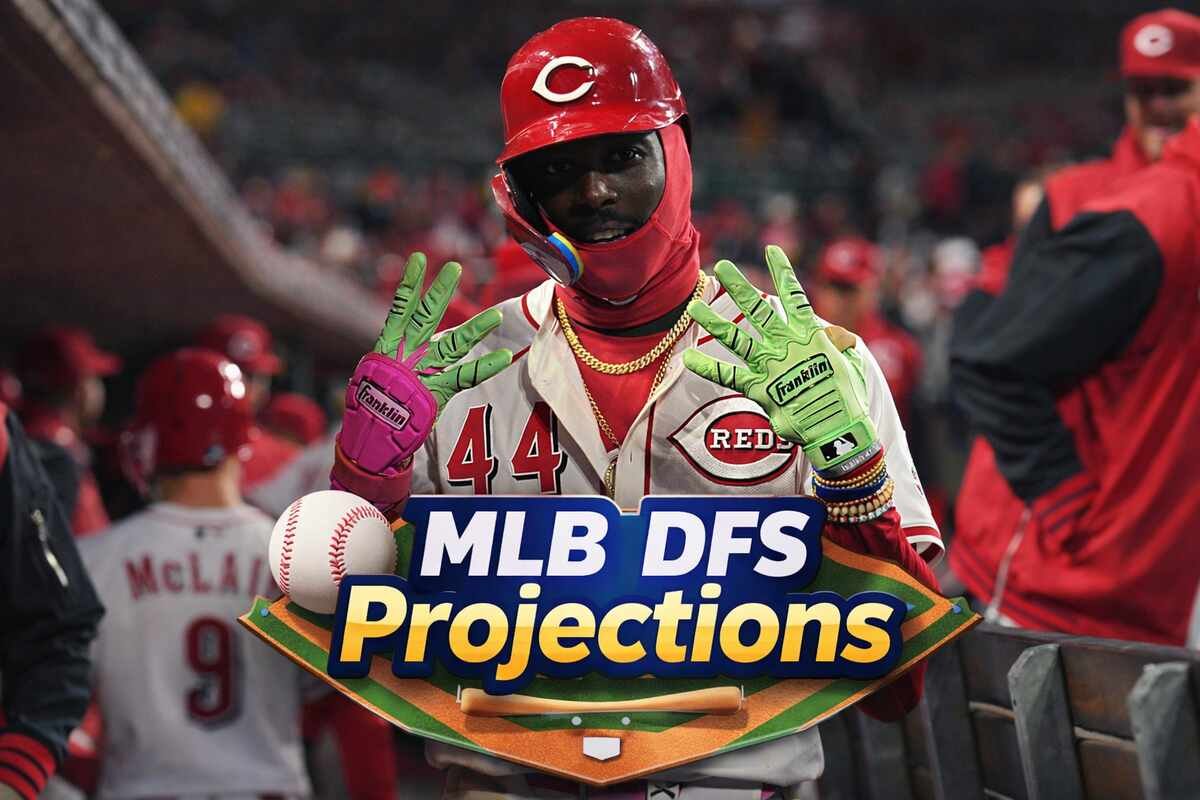

Hey there, fellow baseball fan. If you are like me, you have probably sat down at your desk after work, fired up DraftKings or FanDuel, and wondered how to turn a few smart choices into a winning night. That is exactly where MLB DFS Projections come in handy. They give you a clear picture of what to expect from each player on the slate so you can build lineups that actually cash.
Today happens to fall right in the middle of spring training. That means no full main slate is running for standard contests. The exhibition games are great for watching young talent, but they do not come with the same depth of data or contest options you see once the regular season kicks off. Still, the same principles behind MLB DFS Projections apply the minute real games start. I want to walk you through exactly how I use them, share a couple of stories from my own accounts, and show you ways to spot strong lineups and value plays when the time comes.
Let us get into it together. By the end, you will have a solid game plan that fits your style, whether you play cash games or tournaments.
What MLB DFS Projections Actually Mean for Your Lineups
MLB DFS Projections break down expected fantasy points for hitters and pitchers based on real factors like the matchup, ballpark, weather, and recent form. Sites run simulations thousands of times to come up with those numbers. You end up with a projected total for each guy, say 12 points on DraftKings or 18 on FanDuel.
I started paying attention to these numbers a few years back after a rough stretch. I kept picking my favorite players without checking anything else, and watched my bankroll shrink. Once I started comparing salaries to the projected output, things turned around. A guy making 4k who projects for 15 points suddenly looks a lot better than a 7k stud who might only hit 18. That simple math is the foundation of every lineup I build now.
The projections also factor in things you might miss on your own. A lefty facing a weak bullpen in a hitter-friendly park can jump from average to a strong play. Those small edges add up over a season. When you check DFS MLB projections each day, you stop guessing and start working with real numbers.
Also Read: StreamEast.com: Watch Free Live Sports with Amazing Secrets.
Why Ownership Numbers Belong in Every Decision
Alongside the point projections, you will see MLB DFS ownership projections. These tell you roughly what percentage of the field plans to use each player. Cash games reward playing the highest projected guys even if everyone else does too. Tournaments are different. There, you want some differentiation so your lineup can stand out if things break right.
I learned this the hard way in a big tournament last season. I loaded up on a popular stack because the numbers looked great. The whole field had the same idea. When the captain hit a home run, my payout was tiny because thousands of other entries did the same thing. After that, I started cross-checking the ownership estimates. Now I mix in one or two lower-owned value plays to give my entry a unique look.
Sites update MLB DFS ownership projections throughout the day as lineups come out and news hits. Make it a habit to refresh before lock. It takes two minutes and saves you from getting buried in a sea of similar teams.
Step-by-Step Process I Follow for Building Lineups
Let me walk you through my routine. First, I pull up a few different sources for DFS projections for MLB. I compare the numbers because no single site is perfect. One might love a certain pitcher while another sees risk in the weather. Averaging them gives me confidence.
Next, I look at the slate size. On a big 10-game day, I focus on stacking three to four hitters from the same team. The goal is to catch a game where one lineup explodes. On smaller slates, I spread out more but still look for correlated plays like a pitcher and his own hitters.
Pitcher selection comes first for me. I filter for guys with strong projected strikeouts and low expected runs allowed. Then I build around them. If I take a high-salary ace, I hunt for cheap bats who still project well. That balance keeps my salary under the cap while keeping upside high.
Hitter stacks are where the fun happens. I target teams facing right-handers with high walk rates or teams in parks that favor their handedness. I also check the order. A stack that includes the top three or four spots usually scores more runs early.
Value picks fill the gaps. These are the players who project above their salary but fly under the radar. Maybe a backup catcher who gets a rare start against a pitcher he owns, or a speedy outfielder in a spot where steals are likely. I keep a running list of these names and rotate them in when ownership looks low.
Also Read: StreamEast UFC: Best Unmissable Live Streams and Schedule.
Key Factors That Shape Strong Lineups Each Day
Matchups drive everything. A pitcher facing a team that strikes out a lot becomes a safer play even if his recent starts were shaky. Hitters going up against someone who gives up hard contact in the air can produce extra-base hits and homers.
Weather matters more than people think. Wind blowing out can turn a normal park into a launching pad. Rain delays or cold nights can suppress offense. I always check the forecast before I finalize anything.
Lineup position and handedness splits add another layer. A right-handed bat in the three-hole against a lefty starter often projects higher than the same guy in a weaker spot. I pay attention to those details because they separate good projections from great ones.
Injuries and last-minute news can flip the script. That is why I stay glued to updates right up until lock. A scratched starter means his replacement suddenly becomes a cheap value play with huge upside.
Spotting Value Picks That Actually Deliver
Value picks are my favorite part of the process. These are the guys whose projected points sit well above what their salary suggests. I look for a ratio of at least 3-to-1 on DraftKings or similar on FanDuel. Anything better gets my attention.
A classic example is a middle infielder who costs 3k but projects for 10-plus points because he hits near the top of the order and the opposing starter walks a lot of batters. Another is an outfielder on a team with a hot bullpen. If the starter gets pulled early, that outfielder racks up extra at-bats.
I keep track of these value names across the season. Some players show up on the list regularly because they quietly produce. Others appear only when the matchup lines up perfectly. Either way, they give me salary relief so I can pay up for my stud pitcher or power bat.
When I review DFS MLB projections, I sort by value first. Then I cross off anyone with poor ownership leverage for tournaments or anyone who faces a tough lefty if my stack is right-handed heavy. The remaining pool becomes the core of my builds.
Also Read: Streameast Live: Best Way to Watch Sports Streams Online.
Common Mistakes I Used to Make and How I Fixed Them
Early on I chased last night’s hot performers without checking the new matchup. A guy who went 3-for-4 one night might face a much tougher pitcher the next day. Projections keep me honest by showing the new reality.
Another trap was building identical lineups to what the top public experts posted. Everyone piled in and the payouts suffered. Now I use the ownership numbers to create separation while still staying close to the best projected plays.
I also used to ignore pitchers completely on big slates. That left too much salary on the table. Once I started prioritizing a strong arm, my win rate climbed. The projections make it easy to see which starters offer the safest floor and highest ceiling.
How I Track Progress and Adjust Over Time
I keep a simple spreadsheet of my entries. Each week, I note which MLB DFS Projections sources performed best for me. Some weeks, one site nails the ownership while another misses on a couple of value bats. Over time, I learn which combination works for my style.
I also review my winning lineups. What did the projections say about those players? Did I follow the value math, or did I get lucky? The honest answers help me tighten my process for the next slate.
Spring training is actually a good time to practice this tracking. Even though real money contests are quiet, I can run mock lineups using the exhibition stats and see how the numbers hold up. It keeps my skills sharp without the risk.
Also Read: StreamEast WWE: Best Streaming Options, Schedules, and Tips.
Tools and Resources I Rely On Every Slate
I check a handful of places for consistency. RotoWire gives clean daily projections and quick ownership estimates. Stokastic runs deep simulations that highlight boom potential. LineStar offers an optimizer that lets me test hundreds of builds fast. DraftEdge focuses on batter-specific numbers that help me fine-tune stacks.
I never rely on just one. Comparing across two or three keeps me from getting fooled by an outlier projection. Plus, when one site updates late with injury news, I catch it by checking the others.
Free tools work fine for beginners. Paid options add more granular ownership data and custom sims, which pay for themselves if you play seriously. Start small, track results, and upgrade when you feel ready.
A Personal Turnaround Story That Might Sound Familiar
A couple of seasons ago, I was down a few hundred bucks and ready to quit. My lineups felt random. Then a buddy showed me how he used simple MLB DFS Projections to balance his builds. I copied the method for a week and hit my first big cash game score.
The difference was night and day. Instead of hoping my guys would produce, I knew which ones carried the highest chance. That confidence let me play more relaxed and actually enjoy the process again. Now I look forward to slate day the same way I look forward to first pitch at the ballpark.
You might be in a similar spot right now. Maybe you have had a few close calls or missed the cash by a couple of points. The projections will not guarantee wins every time, but they tilt the odds in your favor night after night.
Also Read: Streameast MLB: Master Streaming Tips for Reliable Games.
Putting It All Together for Your Next Slate
When the regular season slate drops, open your projection tab first. Sort by value, check ownership, build a balanced stack, and lock in a reliable pitcher. Keep notes on what works and what does not. Over time, you will develop your own rhythm.
The beauty of this approach is that it works whether you play one lineup or twenty. It scales with your time and budget. And it keeps the focus on smart decisions instead of luck.
Spring training will wrap up soon enough. When the real games start, you will already have the system dialed in. Those MLB DFS Projections will become your daily edge, turning long nights into profitable ones more often than not.
Take a moment today to bookmark your favorite projection sites. Run a couple of practice builds using the exhibition games if you want. When the first real slate arrives, you will be ready to build lineups that feel solid from the start.
I would love to hear how your builds go once things get rolling. Drop a comment with your biggest win or toughest lesson. We are all learning together out here. Good luck, and see you at the top of the leaderboards when the season kicks off.
For more useful articles, visit my website: StreamEastt.us.