
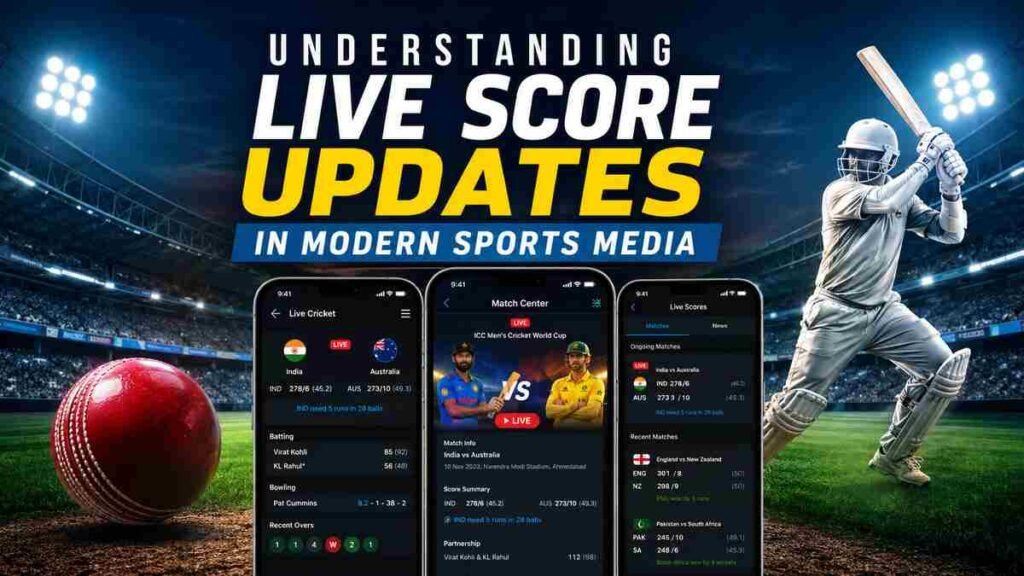

Hey there, fellow sports fan. You know that feeling when you’re stuck at work or on a long commute, but your team is playing a crucial match? Your heart races as you wonder what’s happening on the pitch or court right now. That’s where live score updates come in—they keep us connected to the action no matter where we are. I’ve been following sports for years, and nothing beats the thrill of refreshing a page or getting a notification just as a goal goes in.
In this post, we’ll chat about how these real-time score systems work in today’s sports media world, why they matter so much, and what makes them tick. Whether you’re a casual viewer or a die-hard supporter, you’ll walk away with a better grasp of the tech and stories behind those instant updates.
Why Live Score Updates Have Become Essential for Fans
Remember the old days when you’d have to wait for the evening news or the next day’s paper to find out the final score? Those times feel ancient now. Today, live sports scores deliver information almost instantly, turning passive watching into an interactive experience.
I still laugh thinking about my first smartphone. Back then, I used a basic app during a big football final. Every time the score changed, I’d get a buzz on my phone. It felt magical. That moment showed me how far we’ve come. Fans no longer miss out because of location or schedule conflicts. Parents at kids’ games, travelers on planes (with Wi-Fi, of course), and office workers sneaking glances during breaks—all rely on these systems.
The demand stems from our busy lives. Work, family, and other commitments pull us away from screens, but the love for the game doesn’t fade. Real-time score updates bridge that gap. They provide not just numbers but context—player stats, key events, and even injury news—that deepens our connection to the match.
Search interest in terms like “live sports scores” and “real-time score updates” spikes during major events. Media outlets know this and invest heavily to meet fan expectations. It’s no longer enough to report scores after the fact; audiences want to feel part of the live atmosphere.
Also Read: StreamEast.com: Watch Free Live Sports with Amazing Secrets.
The Evolution of Score Reporting in Sports
Sports media has changed dramatically over the decades. In the early days, telegraph operators wired results from stadiums to newsrooms. Then came radio broadcasts with periodic updates, followed by TV with on-screen graphics.
The internet changed everything. Websites began offering basic scoreboards in the 90s and early 2000s. These were often manual refreshes—users hitting F5 repeatedly. Remember those clunky sites that loaded slowly and sometimes crashed during big games? I do, and it was frustrating.
Mobile phones pushed things further. Dedicated apps emerged, delivering push notifications for goals, touchdowns, or wickets. This shift from pull (refreshing pages) to push (automatic alerts) made live score updates more seamless.
Today, modern sports media blends data, design, and speed. Platforms integrate video highlights, commentary, and social feeds alongside scores. It’s about creating a full experience rather than just numbers on a page.
Also Read: Streameast MLB: Master Streaming Tips for Reliable Games.
How Live Score Updates Actually Work Behind the Scenes
This part always fascinates me. How does a score from a stadium in Manchester reach your phone in a small town within seconds? It involves several layers of technology working together smoothly.
Data Collection at the Source
It starts on the field. Official scorers, statisticians, or automated systems log every event—goals, substitutions, penalties, you name it. Leagues and governing bodies often provide official data feeds. For example, in football, organizations partner with data providers who employ spotters and analysts at matches.
These feeds capture play-by-play details. Human operators or sensors verify information to minimize errors. Accuracy matters because one wrong update can spark fan outrage.
Transmission and Processing
Once collected, data travels via APIs or dedicated networks. Real-time technologies like WebSockets allow servers to push updates to connected clients without constant polling. This keeps bandwidth low and speeds high.
Sports data APIs power many apps and websites. They handle massive volumes during peak times—think multiple games across leagues happening simultaneously. Robust infrastructure ensures low latency, often under a second for major events.
Delivery to Fans
The final step brings updates to you. Apps, websites, and even smart TVs receive this data. Push notifications use your device’s services to alert you instantly. Some platforms offer customizable alerts, so you only hear about your favorite teams.
I’ve tested several live score apps over the years. The best ones feel instantaneous. You open the app during halftime, and everything updates without delay. Behind that simplicity sits serious engineering—databases optimized for speed, content delivery networks (CDNs) to reduce lag, and fallback systems for when networks hiccup.
Challenges exist, of course. Internet connectivity varies worldwide. During high-stakes matches, traffic surges can strain systems. Top providers use redundancy and edge computing to handle this.
Also Read: StreamEast UFC: Best Unmissable Live Streams and Schedule.
Key Technologies Powering Real-Time Sports Scores
Several innovations make modern live score updates possible:
- APIs and Data Feeds: Standardized ways for apps to pull or receive live information. Many developers rely on third-party providers for broad coverage across sports and leagues.
- WebSockets and Server-Sent Events: These enable persistent connections for instant data flow.
- Cloud Infrastructure: Scalable servers that handle millions of users during finals or playoffs.
- Mobile Optimization: Apps designed for quick loading and background updates to save battery.
- Integration with Other Features: Scores link to betting odds, fantasy stats, or video clips for richer experiences.
Machine learning even helps predict high-traffic periods or flag unusual patterns, like a sudden scoring burst that might need extra verification.
Popular Platforms and Apps for Live Scores
You’ve probably used a few of these. LiveScore, theScore, ESPN, and FlashScore rank among the most popular. Each brings something unique.
LiveScore apps focus on speed and simplicity. They cover major sports like football, cricket, basketball, and tennis with clean interfaces. I appreciate how they let you pick favorite teams and leagues for personalized views.
News-heavy sites like ESPN combine scores with articles and analysis. During a big game, you can switch between live updates, expert commentary, and post-match breakdowns seamlessly.
Specialized platforms exist for niche sports or regions. Cricket fans in South Asia often favor apps tuned to local leagues with detailed ball-by-ball commentary.
What sets the good ones apart? Reliability during peak hours, minimal ads that don’t interrupt flow, and useful extras like standings or head-to-head records.
Also Read: Streameast Live: Best Way to Watch Sports Streams Online.
Benefits of Live Score Updates for Fans and Media Outlets
For fans, the advantages are clear: staying informed, feeling involved, and sharing excitement with friends in real time. It enhances social viewing—texting buddies during plays or debating calls on social media.
Media companies gain too. Live updates drive traffic, increase engagement time, and open ad opportunities. They build loyalty as fans return to trusted sources.
From a business angle, accurate live sports scores support fantasy sports, betting, and sponsorships. Timely data keeps everything fair and exciting.
Personally, these updates helped me bond with my dad over games. Even when we couldn’t watch together, we’d message about key moments. It kept our shared interest alive across distances.
Challenges in Delivering Accurate Live Score Updates
It’s not all smooth sailing. Delays can happen due to technical glitches or verification needs. In fast-paced sports like basketball, every second counts, and errors frustrate users.
Data consistency across platforms matters. You don’t want one app showing a different score than another. Standardization efforts help, but discrepancies still pop up occasionally.
Privacy and data rights also factor in. Leagues control official feeds, and access comes with agreements. Smaller outlets may rely on public sources, which can be slower.
Global reach adds complexity—different time zones, languages, and network conditions worldwide.
The Role of Social Media and Community in Live Updates
Social platforms amplify live score experiences. Twitter (now X), Instagram, and fan forums light up with reactions. Many apps integrate social feeds so you see fan commentary alongside scores.
This creates a virtual stadium feel. During tense moments, seeing thousands of others share your emotions heightens the drama.
Creators and influencers provide alternative commentary streams. Some focus purely on live scoring with witty takes, adding fun layers.
Also Read: StreamEast WWE: Best Streaming Options, Schedules, and Tips.
Future Trends in Live Score Technology
What comes next? Even faster updates, perhaps with augmented reality overlays on phones. Integration with wearables could notify you via smartwatches without pulling out your device.
AI might personalize experiences more—highlighting moments relevant to your interests or predicting outcomes based on stats.
5G networks will reduce latency further, enabling smoother video-integrated scores. Voice commands and better accessibility features will broaden the audience.
Sustainability could play a role too, with efficient data systems reducing energy use.
I look forward to these advancements. They promise to make following sports even more immersive.
Tips for Getting the Most Out of Live Score Updates
Choose reliable sources. Look for apps with good reviews and quick update histories.
Customize notifications to avoid overload. Focus on key matches or events.
Combine scores with other content. Read analysis alongside updates for deeper understanding.
Check multiple platforms occasionally for verification, especially in controversial moments.
Engage responsibly—don’t let scores distract you from important tasks, but enjoy the connection they provide.
For website owners or developers interested in this space, focus on user experience. Fast loading, intuitive design, and trustworthy data build loyal audiences. SEO plays a big part here too—optimizing for searches like “live score updates” or specific match queries helps fans find you easily.
Wrapping Up Our Chat About Live Scores
Live score updates represent more than technology—they embody our passion for sports and desire to stay connected. From basic scoreboards to sophisticated real-time systems, they’ve transformed how we experience games.
Whether you’re tracking your local team or following international stars, these tools make sports accessible and exciting. They bridge distances, create shared moments, and keep the spirit of competition alive every day.
Next time you check a score during a match, take a second to appreciate the effort behind it. And if you’re building or running a sports site, remember: speed, accuracy, and fan focus win the long game.
What’s your favorite way to follow live sports scores? Drop a comment below—I’d love to hear your stories and tips. Let’s keep the conversation going.
For more useful articles, visit my website: StreamEastt.us.