
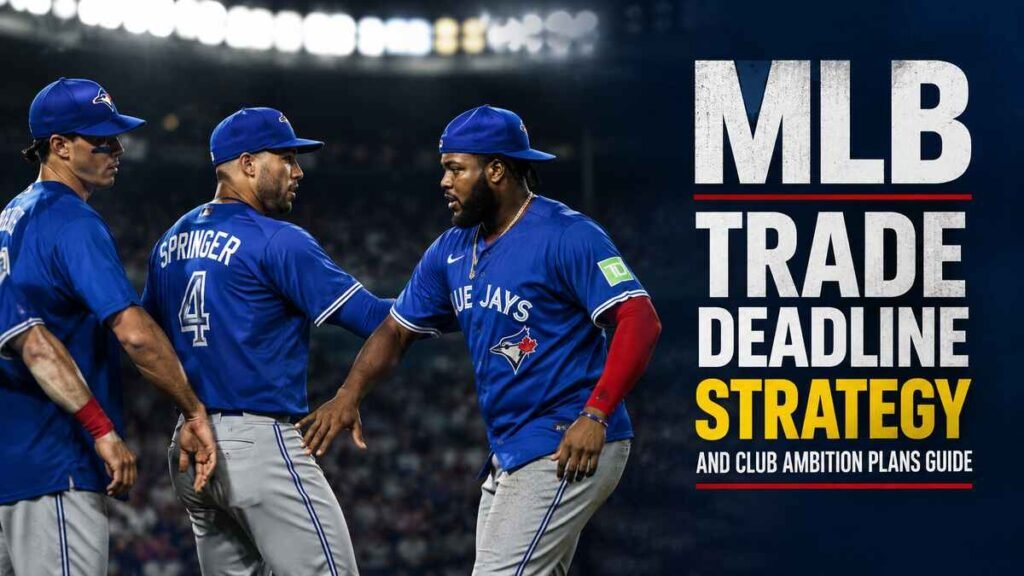

Hey there, fellow baseball fan. If you’re like me, the MLB trade deadline stirs up a mix of excitement and anxiety every year. One day your team looks like a contender ready to make a run, and the next, a few losses have you questioning whether it’s time to rebuild. I’ve spent countless summers glued to rumor sites, debating with friends over what moves make sense, and even feeling that sting when a favorite player gets shipped off. This guide breaks down how teams approach the trade deadline, how club ambitions shape those choices, and practical strategies you can use to understand—or even predict—what happens next.
Whether you’re a die-hard supporter hoping your squad goes all-in or a realist bracing for a sell-off, let’s walk through this together. No hype, just straight talk from someone who’s followed these cycles for years.
Understanding the MLB Trade Deadline Basics
The trade deadline, set for August 3 in 2026 at 6 p.m. ET, marks the cutoff for teams to make deals that count toward the current season’s roster. After that, any trades become more about the future.
Teams evaluate their standing, roster holes, and long-term goals. Contenders look to add pieces for a playoff push. Teams out of contention trade veterans for prospects to build for later years. Many land somewhere in the middle, making targeted moves without overcommitting.
From my experience watching this unfold, the deadline isn’t just about talent swaps—it’s a high-stakes poker game where front offices weigh win-now pressure against future flexibility. A bad stretch in July can flip a buyer’s mindset to seller overnight.
Also Read: StreamEast.com: Watch Free Live Sports with Amazing Secrets.
Key Factors That Shape Trade Deadline Decisions
Several elements drive a team’s approach. Standings matter most, but payroll, prospect depth, contract situations, and even fan expectations play roles.
Current Record and Playoff Odds
Teams within striking distance of a wild card or division lead often buy. Those far back, especially with low odds, lean toward selling. Parity in leagues, particularly the AL, creates more bubble teams that wait until the final weeks to decide.
I remember a season where my favorite team hovered around .500 into late July. Every game felt like it carried double weight. One hot streak, and suddenly rumors of adding a starter popped up. A skid, and whispers of trading veterans grew louder.
Roster Needs and Surplus
Front offices scan for weaknesses. A team with strong pitching but weak offense might target bats. Sellers with extra arms or expiring contracts shop those assets.
Prospect systems factor heavily too. Teams rich in young talent can afford to deal from depth. Those thin on prospects hesitate to give up future pieces.
Contract and Free Agency Outlook
Players in their final contract year become prime targets as “rentals.” Acquiring them costs less in prospects but offers short-term help. Teams also consider arbitration and extension candidates.
Financial Constraints
Luxury tax thresholds and payroll limits influence aggressiveness. Big-market clubs with deep pockets chase stars more freely than smaller ones.
Club Ambition and Ownership Vision
This ties directly into longer-term plans. Some owners prioritize consistent contention. Others accept rebuilds for sustained success later. A team’s recent history—recent playoffs or long droughts—colors urgency.
Also Read: Streameast MLB: Master Streaming Tips for Reliable Games.
Buyer Strategies: Going for It When the Window Opens
Buyers aim to boost playoff chances. They target specific needs without mortgaging the future entirely.
Targeted Additions Over Blockbusters
Smart buyers fill holes efficiently. Need bullpen help? Grab a reliable arm. Rotation shaky? Add a starter who can eat innings.
In recent cycles, teams succeeded by adding complementary pieces rather than one superstar. This approach preserves assets for future deadlines.
Evaluating Rental vs. Controlled Talent
Rentals provide immediate impact at lower cost. Players under team control longer justify bigger prospect hauls but offer multi-year value.
I’ve seen teams regret overpaying for rentals that flopped in October. The best moves balance cost with upside.
Timing and Market Awareness
Early moves secure better prices. Waiting too long risks missing targets as other buyers compete. Monitoring rivals’ needs helps negotiate.
For fans, this means tracking rumors closely in mid-July. A sudden surge in interest for a certain player often signals a team’s intent.
Also Read: StreamEast UFC: Best Unmissable Live Streams and Schedule.
Seller Strategies: Building for Tomorrow
Sellers move veterans to restock the farm system. The goal is restocking talent that develops into future stars.
Identifying Trade Chips
Focus on expiring contracts, underperformers with value elsewhere, or veterans blocking prospects. High-upside but inconsistent players can fetch returns if another team sees fit.
Maximizing Return on Prospects
Good sellers shop around and create bidding wars. Packaging players or including cash can sweeten deals.
One lesson from past deadlines: don’t rush. Holding a bit longer sometimes yields better offers as the deadline nears and buyers get desperate.
Managing Fan and Media Reaction
Selling stings for supporters. Transparent communication about the plan helps. Teams that execute well often see the payoff years later with homegrown cores.
Think about clubs that endured tough seasons but emerged stronger. The process requires patience, which isn’t always easy when losses pile up.
Navigating the Middle Ground: Stand Pat or Hybrid Approaches
Many teams neither fully buy nor sell. They make minor tweaks or hold steady.
Assessing Realistic Chances
Bubble teams monitor standings closely. A few wins can shift them to buyers; losses push toward selling.
Creative Deal-Making
Some swap similar-level talent to refresh the roster. Others add low-cost depth while moving minor pieces.
This middle path suits teams with young cores or moderate expectations. It avoids extremes while addressing immediate issues.
Also Read: StreamEast WWE: Best Streaming Options, Schedules, and Tips.
Club Ambition Plans: Aligning Deadline Moves with Long-Term Goals
Every front office operates with a vision. Some chase championships aggressively. Others build sustainably.
Win-Now Ambitions
Teams with aging stars or short windows load up. They accept higher costs for immediate contention, banking on postseason experience to pay off.
Ownership support matters here. Deep-pocketed groups greenlight big swings.
Rebuild and Reload Cycles
Clubs in transition trade for prospects and young talent. The ambition centers on future competitiveness rather than this year’s standings.
Success stories often involve multiple deadlines of accumulation before competing again.
Balanced Contention Models
Many aim for steady contention. They buy modestly while developing internally, adjusting based on yearly performance.
Payroll management and prospect graduation support this model. It reduces boom-or-bust risk.
From talking with fans over the years, the frustration often comes when ambitions feel unclear. A team signals one direction but acts another, leaving supporters confused.
Common Pitfalls and How to Avoid Them
Teams stumble when emotions override data. Overvaluing own prospects or chasing names without fit leads to regret.
Injury risks with deadline acquisitions require due diligence. Market timing mistakes—buying too early or selling too late—cost value.
For fans analyzing moves, focus on process over single deals. One trade rarely defines a season.
Real-World Examples and Lessons Learned
Looking at recent patterns, aggressive buyers like teams in tight races often target pitching. Sellers with surplus arms move them for position players or vice versa.
Bubble teams provide drama. A mid-season surge can change everything, turning potential sellers into cautious buyers.
Personally, I’ve watched my team miss opportunities by hesitating, then overpay later. Other times, patient selling built a strong foundation that led to better years.
Fan Perspectives: Dealing with Uncertainty
As supporters, we invest emotionally. Seeing a beloved player traded hurts, even if logical.
Stay informed through reliable sources but avoid rumor overload. Focus on the bigger picture—team direction over single transactions.
Engage with fellow fans for perspective. Shared experiences make the ride less lonely, whether celebrating adds or mourning losses.
Also Read: Streameast Live: Best Way to Watch Sports Streams Online.
Preparing for Deadline Week
In the final days, activity spikes. Monitor standings, injury reports, and official announcements.
For fantasy or fan engagement, predict moves based on needs and standings. It adds another layer of fun.
Wrapping Up Your Trade Deadline Playbook
The MLB trade deadline mixes strategy, ambition, and a bit of chaos. Teams balance present and future while chasing goals. Understanding buyer, seller, and hybrid approaches helps make sense of the frenzy.
Next time your team faces a tough stretch, think about the factors at play. Standings, needs, and long-term plans all intersect. Whether hoping for reinforcements or accepting a reset, the process reflects each club’s unique path.
Baseball rewards patience and smart decisions over time. As fans, we ride the waves, celebrate wins, and learn from setbacks. Here’s to a compelling deadline season filled with moves that shape stories for years ahead.
For more useful articles, visit my website: StreamEastt.us.