
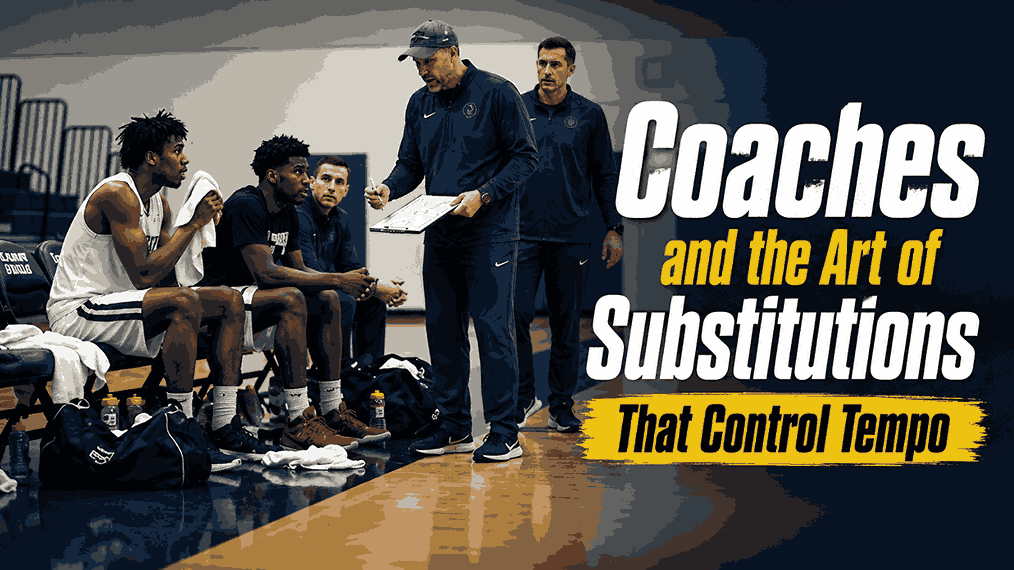

I still remember standing on the sideline during a tight high school basketball game years ago. My team had built a solid lead in the first half, but the other side started pushing the pace hard after halftime. Players on my bench looked eager, but I hesitated on the changes. By the time I made the swaps, momentum had shifted. We scraped by with a win, yet that night taught me something lasting: substitutions are not just about rest or fresh legs. They shape how the entire game flows.
If you coach any team sport where the clock runs and players tire, you know this feeling. The right substitution at the right moment can shift energy, disrupt the opponent, and keep your side in control. This post walks through that skill in detail. We will cover how substitutions influence pace, practical ways to use them, examples from real games, and steps you can take with your own team. Whether you work with youth players or more experienced ones, these ideas come from years on the sidelines and learning from what works—and what does not.
Why Tempo Control Decides Games More Often Than You Think
Tempo is the heartbeat of competition. Some teams want to run every chance they get, forcing turnovers and quick scores. Others prefer a slower, more deliberate style that wears opponents down and limits mistakes. The coach who dictates that speed usually holds the advantage.
Players get tired. Defenses lose focus after several fast possessions. Offenses stall when legs grow heavy. Substitutions let you reset those rhythms without calling a timeout that stops everything. A quick change can inject energy to speed things up or bring in steadier players to slow the action and regroup.
Think about it from your own experience. Have you watched your team get caught in a run where the other side scores several baskets in a row? The natural reaction is to call time, but sometimes a couple of targeted subs achieve more. Fresh defenders can harass ball handlers and force slower setups. Or you might bring in shooters who stretch the floor and make the opponent adjust their defense, changing the flow without a whistle.
In soccer, the same principle applies, though rules limit total changes. Coaches use those moments strategically near the end to manage time or refresh attackers when defending a lead. The pause for a substitution itself can break an opponent’s rhythm.
The key is seeing substitutions as an active tool, not a reaction to fatigue alone. Many coaches wait too long because they fear disrupting chemistry. But with practice, you learn to read the game and make changes that maintain or improve your team’s connection on the floor.
Also Read: StreamEast.com: Watch Free Live Sports with Amazing Secrets.
Understanding When and Why to Make Changes
Effective substitutions start with preparation. Before the game, map out rotations based on your personnel. Who brings energy off the bench? Who excels in half-court sets versus transition? Knowing these strengths lets you plan patterns that match different game situations.
Early in games, I often keep starters in longer to establish rhythm. As the half progresses, I look for signs: heavy legs on defense, missed assignments, or slowed transition. That is the cue for a wave of subs. Bringing in a group together helps them play with familiarity instead of mixing one at a time and breaking flow.
To speed up tempo, insert high-motor players who pressure the ball and push in transition. These athletes create turnovers and easy scoring chances that force the opponent into a faster, more chaotic style. To slow things, use subs that emphasize positioning and patience—players comfortable setting up offenses methodically and making smart passes.
Fatigue management matters too. Star players cannot perform at peak level for full games. Short, planned rests keep them sharp for crucial stretches. I once had a guard who hated coming out, but after explaining how those brief breaks helped him close games stronger, he bought in. His performance improved noticeably.
Matchups also drive decisions. If the opponent has a dominant post player, sub in bigger bodies or strong help defenders at the right time. Against speedy guards, quicker perimeter players can neutralize threats and change the pace of possessions.
Building a Bench That Supports Tempo Changes
A deep, reliable bench is the foundation for controlling tempo through substitutions. You cannot dictate pace if your reserves cannot maintain the standard. This requires intentional development in practice.
Focus on specific roles. Some bench players become energy specialists—defensive stoppers who spark runs. Others serve as connectors who run offenses smoothly during rotation periods. Give these players meaningful minutes in practice so they stay ready.
During scrimmages, simulate game situations. Run segments where one unit pushes tempo while the other slows it, then switch. Players learn to adapt quickly. Track how different combinations perform so you gain confidence in your patterns.
Communication builds trust. Tell players exactly why you sub them in or out. “We need your defense to pick up the pressure here” lands better than a silent change. Bench players who understand their role stay engaged and contribute when called upon.
Youth coaches face extra challenges with equal playing time rules or developing skills. Use substitutions to teach concepts. A slower unit can work on half-court execution, while a faster group practices transition decisions. This turns every change into a learning opportunity.
Also Read: Streameast Live: Best Way to Watch Sports Streams Online.
Lessons from Coaches Who Mastered This Skill
Great coaches treat substitutions like chess moves. Gregg Popovich with the Spurs built systems where bench units sustained intensity and allowed stars controlled rest. His teams often controlled pace through disciplined rotations that frustrated faster opponents.
In basketball, some modern coaches use short stints to keep everyone fresh and maintain high energy. Others extend minutes for top performers when winning is the priority. Both approaches work when matched to team strengths.
Soccer offers clear examples too. Coaches like Diego Simeone have used substitutions and the pauses around them to manage time and disrupt flow when protecting leads. While dramatic at times, the principle of using every available tool to control the game’s rhythm holds value.
I applied a similar idea in one season with a team that struggled against pressure. We developed “disruptor” units—quick subs of athletic defenders midway through quarters. These groups forced turnovers and changed the game’s speed. Opponents adjusted, but the pattern gave us an edge in several close matches.
Avoiding Common Mistakes That Cost Control
Even experienced coaches slip into habits that hurt tempo management. One frequent issue is waiting too long. By the time fatigue shows in stats or obvious errors, the opponent has already gained momentum. Set personal triggers—such as three straight defensive lapses or a certain lead change—to prompt earlier action.
Another pitfall involves rigid patterns. Sticking to fixed rotations regardless of game flow ignores real-time information. Stay flexible. If a player gets hot, extend their minutes. If matchups shift, adjust accordingly.
Poor communication frustrates players. Sudden subs without explanation create doubt. Take time in film sessions or brief huddles to review decisions. This builds buy-in over a season.
Over-relying on stars is tempting but risky. They wear down, and your team looks lost without them. Develop depth so substitutions strengthen rather than weaken your side.
In youth settings, constant changes for equal time can fragment play. Balance fairness with development by grouping subs thoughtfully and explaining the bigger picture to parents and players.
Also Read: Streameast MLB: Master Streaming Tips for Reliable Games.
Practical Tips You Can Use This Week
Start simple. Review your last few games and note moments where tempo slipped. Identify one or two substitution opportunities you missed and plan responses for similar situations.
Create a substitution card or quick reference sheet with player roles and ideal run times. Update it as the season progresses based on observations.
Practice tempo-specific drills. One effective exercise divides the court for small-sided games: one side must push fast breaks, the other works deliberate sets. Rotate units in and out to mirror game subs.
Talk to your assistants about shared vision. Clear guidelines prevent mixed signals during games.
Film your bench during contests. Watch body language and energy levels. Players who stay warm and focused make better substitutes.
For individual development, teach players self-awareness. Encourage them to recognize when they need a breather or when they can push through. This shared understanding makes your substitutions more effective.
Preparing Your Team to Execute Through Changes
Success depends on the whole group. In practice, rehearse quick transitions when subs enter. Run offensive and defensive sets immediately after changes so players adapt without hesitation.
Build mental toughness around rotations. Some athletes feel demotivated coming off the bench. Frame every entry as a chance to make an impact. Celebrate contributions from all players, not just starters.
Conditioning supports everything. Players who maintain fitness handle varied minutes better and sustain tempo longer. Mix high-intensity intervals with recovery work to prepare for real-game demands.
Review game film together, focusing on substitution impacts. Ask players what they noticed about pace before and after changes. Their insights often sharpen your own decisions.
Real Examples That Show the Difference
Consider a scenario where a team trails by eight midway through the second half. Instead of panic, the coach subs in two defensive specialists and a floor general known for pace control. The unit forces several stops, scores in transition, and cuts the deficit quickly. The starters return refreshed and close the game.
In another case, protecting a narrow lead late requires slowing possessions. Bringing in patient passers and strong rebounders helps control the clock and limits opponent opportunities. These adjustments do not always make highlight reels, but they secure wins.
I saw this firsthand when my team faced a highly athletic opponent. Their pressure created turnovers early. We adjusted by subbing in a group comfortable with slower, structured play. They set screens, moved the ball patiently, and neutralized the speed advantage. We pulled ahead and held on.
Also Read: StreamEast UFC: Best Unmissable Live Streams and Schedule.
Refining Your Approach Over Time
No coach masters substitutions overnight. Track your decisions and results. Note win-loss outcomes, pace statistics if available, and player feedback. Over seasons, patterns emerge that guide better choices.
Stay curious about other teams. Watch how opponents handle rotations and borrow ideas that fit your style. Talk with fellow coaches about what works in their programs.
Technology can help at higher levels, but even simple notes or apps for tracking minutes prove useful. The goal remains the same: use every player effectively to shape the game’s flow.
Also Read: StreamEast WWE: Best Streaming Options, Schedules, and Tips.
Bringing It All Together on Game Day
Substitutions that control tempo combine preparation, observation, and adaptability. They turn the bench from a waiting area into a strategic weapon. Your team gains an edge when changes happen with purpose rather than desperation.
Start applying these ideas in your next practice or game. Pay attention to how small adjustments influence energy and outcomes. Over time, you will develop an instinct for the right moment and the right players.
Coaching involves countless decisions, but few offer as much direct influence on results as well-timed substitutions. Use them thoughtfully, and you give your team the best chance to perform at its peak when it matters most.
This approach has helped teams I worked with stay competitive through ups and downs. It can work for you too. Keep learning from each game, stay connected with your players, and watch how controlling tempo through smart changes transforms your results.
For more useful articles, visit my website:StreamEastt.us.