
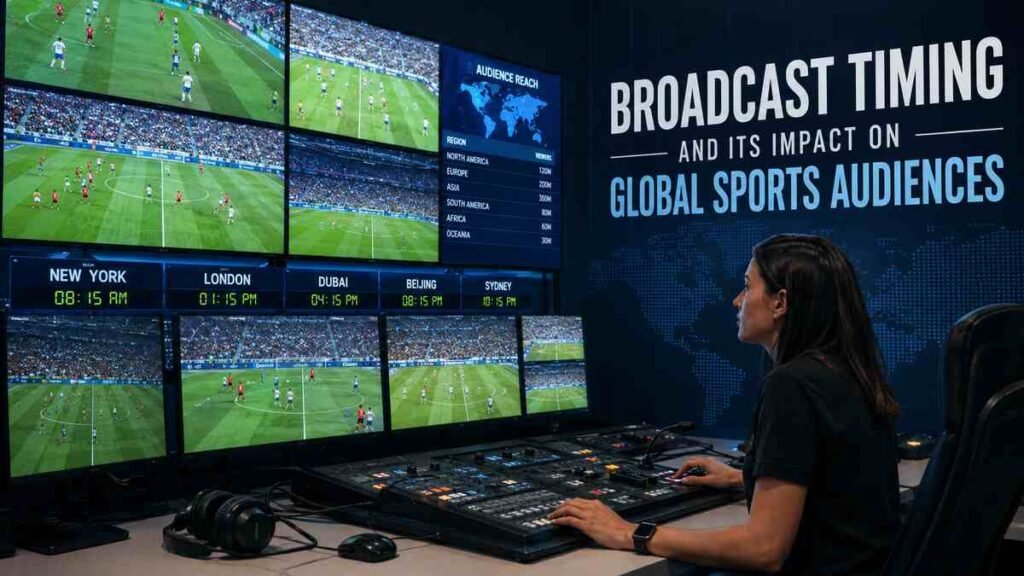

Hey there, fellow sports fan. Have you ever stayed up until 3 a.m. just to catch your favorite team in action, only to feel wiped out the next day? Or maybe you’ve woken up early on a weekend because a big match from halfway across the world started at an awkward hour for your schedule. If that sounds familiar, you’re not alone. Broadcast timing plays a huge role in how we all experience sports these days, especially as fans connect from every corner of the planet.
I’ve spent years following games from different leagues, and one thing keeps coming up in conversations with friends and online communities: the frustration and joy tied to when these events actually air. In this post, we’ll chat about what broadcast timing really means, how it shapes viewership numbers for audiences worldwide, and some real-world stories that show its effects. We’ll also look at ways leagues and broadcasters handle these challenges, and what the future might hold with new tech making things easier. Let’s jump in like we’re grabbing seats before kickoff.
What Exactly Is Broadcast Timing in Sports?
Broadcast timing refers to the scheduled start and end times for live sports coverage on TV, streaming platforms, or radio. It sounds simple, but it gets complicated fast when you factor in where the event happens and who wants to watch it.
Think about a typical soccer match in Europe starting at 8 p.m. local time. For viewers in the US East Coast, that’s afternoon. But for someone in California or Asia, it shifts into late night or early morning. Networks decide these slots based on expected audience sizes in their biggest markets, ad revenue potential, and competition from other programming.
From my own experience, I remember tuning into an NBA game years ago. The tip-off was perfect for East Coast fans at 8 p.m., but for me on the West Coast, it meant wrapping up dinner and settling in later. The game went into overtime, pushing everything even further. That night taught me how one decision on timing ripples out to millions.
Sports like football, basketball, cricket, and tennis all deal with this. Leagues aim for prime viewing hours in key regions, but global popularity means balancing those choices becomes tricky. Data shows that about 80% of the US population lives in Central and Eastern time zones, so many schedules prioritize those areas.
Also Read: StreamEast.com: Watch Free Live Sports with Amazing Secrets.
Why Broadcast Timing Matters So Much for Viewers Everywhere
Live sports stand out because they create shared moments. Unlike movies or shows you can binge anytime, a game happens in real time. Bad timing can mean missing the excitement or forcing tough choices between sleep, work, and fandom.
For global sports audiences, time differences create real barriers. A fan in India following the English Premier League might catch highlights instead of live action if matches start too late. In one chat with a colleague from Australia, he described setting alarms for 2 a.m. games during certain tournaments. “It’s worth it for the big ones,” he said, “but it adds up.”
Research highlights how time zones directly affect TV audience delivery, especially for live events where replay isn’t the same. A Monday night NFL game that feels prime time on the East Coast hits as late afternoon on the West Coast, leading to lower ad viewership in some slots because people are still at work or commuting.
This isn’t just about convenience. It impacts engagement, loyalty, and even how much money flows into the sport. Lower live viewership can mean fewer ad dollars, which affects production quality or player salaries down the line. On the flip side, smart timing builds bigger, more passionate communities.
I once joined a watch party for a Champions League match that started at midnight my time. The group energy was electric despite the hour, with everyone sharing reactions in a group chat. Those connections make sports special, but they shouldn’t require sacrificing rest every time.
Real Examples: How Timing Plays Out in Major Events
Let’s look at some specific cases that show broadcast timing in action.
NFL and American Football Schedules
The NFL does a solid job with Sunday afternoon games, but primetime slots like Monday Night Football create splits. A game starting in the evening Eastern Time might be perfect for some, but challenging for others. One analysis of a 49ers-Vikings matchup showed early ad pods underdelivering significantly on the West Coast because the start time fell during late afternoon there.
Fans in Europe often wake up early or stay up late for these games. International viewership has grown, but timing remains a hurdle.
Olympics and Multi-Sport Events
The Olympics offer a classic example of timing tweaks. Broadcasters sometimes schedule finals to align with prime time in major markets. During the Beijing Games, certain swimming events happened in the morning locally to fit US evening slots. This helps North American audiences but can feel off for people in the host country or other regions.
Tape delays used to be common, but streaming has changed that. Still, the push for live primetime coverage shows how much value networks place on getting the timing right.
FIFA World Cup Challenges
The upcoming 2026 World Cup in North America brings timing issues for fans in Asia and other distant areas. Many matches could air between midnight and early morning IST for Indian viewers, which might cut into live participation and ad interest. Past tournaments in different time zones delivered stronger simultaneous viewership when timings aligned better with local evenings.
A friend in Southeast Asia shared how he powered through work the next day after late-night matches in previous cups. “The highlight reels are great,” he told me, “but nothing beats watching it unfold live with everyone else.”
Cricket World Cups and IPL in India face similar global balancing acts when overlapping with other leagues.
NBA and Basketball’s Global Reach
NBA games at 7 p.m. Eastern Time hit at convenient hours for US fans but midnight in the UK and early morning in China. League officials have noted time zone differences as a key growth challenge for international markets.
Despite this, digital platforms and condensed highlights help, but true global superfans still adjust their clocks.
These stories show a pattern: timing decisions favor core markets but create ripple effects for everyone else.
Also Read: Streameast Live: Best Way to Watch Sports Streams Online.
The Challenges Broadcasters and Leagues Face
Creating schedules that work globally isn’t easy. Here are some big pain points.
Time Zone Differences and Audience Availability
With viewers spanning multiple continents, no single time satisfies all. Prime time in one place means off-hours elsewhere. This leads to fragmented audiences and lower overall engagement for some broadcasts.
Competition from Other Events and Life
Games overlapping with work, family time, or rival sports reduce numbers. Weekend afternoons might work locally but clash internationally.
Technical and Production Logistics
Travel, venue availability, and player recovery times limit flexibility. Broadcasters also juggle ad slots, which generate major revenue.
Viewer Fatigue and Burnout
Constant late or early watches wear people down. Many fans report skipping games or switching to summaries, which hurts the “live” magic that drives sports value.
From personal chats in fan forums, this burnout feels common. One baseball follower mentioned missing entire series because of inconsistent start times across time zones.
Also Read: Streameast MLB: Master Streaming Tips for Reliable Games.
Strategies That Help Optimize Broadcast Timing
Leagues and networks use several approaches to improve things.
Data-Driven Scheduling
Teams analyze viewership patterns, fan locations, and past performance to pick better slots. Big data helps predict when audiences are free.
Regional Feeds and Flexible Options
Some broadcasters offer multiple feeds or adjust commentary for different regions. Streaming services let fans choose on-demand or live with adjustments.
Primetime Focus with Global Consideration
Prioritizing key markets while adding accessible replays or condensed versions keeps casual viewers involved.
Partnerships and Technology
Collaborations with local networks or platforms in different countries expand reach. 5G and mobile apps make watching on the go smoother.
I tried a streaming service during a major tournament that offered time-shifted viewing options. It felt like a small win—watching the full game without the pressure of staying up all night.
Fan Engagement Tools
Polls, interactive features, and social integrations keep people connected even if they can’t watch live. This builds community beyond the exact broadcast window.
The Role of Streaming and Digital Platforms
Streaming has transformed how we handle broadcast timing. Services like Peacock, Prime Video, or league-specific apps reduce reliance on traditional TV schedules.
Fans can now watch replays, highlights, or even live events with minimal delay from anywhere. This helps global sports audiences stay connected without strict time constraints.
During recent events, digital viewership surged in regions with poor traditional timing alignment. However, live remains king for the biggest moments because of the shared thrill.
Challenges persist, like internet access in some areas or subscription costs, but the trend points toward more flexibility. Younger fans especially expect content on their terms.
Also Read: StreamEast UFC: Best Unmissable Live Streams and Schedule.
How This Affects Sports Marketing and Revenue
Timing influences ad rates, sponsorships, and overall league income. Strong live audiences in prime slots command higher prices. Poor timing can limit growth in emerging markets.
Brands target engaged viewers during games, using data to personalize. For global campaigns, understanding audience patterns across zones becomes key.
Smaller sports or leagues benefit when timing opens doors to new fans. Better access leads to bigger followings and sustainable growth.
Personal Reflections on Staying Connected as a Fan
Over the years, I’ve adjusted my routines around big events. Early morning coffee for European soccer, evening commitments cleared for NFL Sundays. It’s part of the fun, but I wish it were easier.
Talking with fans from different countries reveals similar adjustments. A rugby enthusiast in New Zealand once described syncing his sleep for matches in South Africa. These shared struggles create bonds.
Sports bring people together. Good broadcast timing amplifies that; poor choices create distance. The emotional high of a last-minute goal or touchdown feels best when experienced live with others.
Looking Ahead: What the Future Holds for Sports Broadcasting
Technology will keep evolving. AI for personalized schedules, better global streaming infrastructure, and possibly adjusted event start times could help.
Leagues might experiment more with neutral-site games or flexible calendars. Virtual reality and immersive experiences could make timing less critical by letting fans “attend” on demand.
Sustainability also matters—fewer extreme schedule shifts could benefit players and staff too.
As a fan, I’m optimistic. The passion for sports isn’t going away, and innovations seem focused on making access fairer for everyone.
Also Read: StreamEast WWE: Best Streaming Options, Schedules, and Tips.
Wrapping Up Our Chat on Broadcast Timing
Broadcast timing shapes how global sports audiences experience the games we love. From time zone headaches to clever strategies that bridge gaps, it touches every part of the fan journey.
Whether you’re a die-hard follower adjusting your alarm or a casual viewer catching replays, understanding these dynamics helps you navigate the landscape better. Leagues and broadcasters continue refining approaches, and fans like us play a role by engaging and providing feedback.
Next time you settle in for a match at an odd hour, remember you’re part of a worldwide community facing the same quirks. Share your stories in the comments—what’s the craziest timing adjustment you’ve made for a game? Let’s keep the conversation going.
If this resonated with you, feel free to pass it along to fellow fans. Sports thrive on connection, and getting the timing right brings us all closer to the action.
For more useful articles, visit my website:StreamEastt.us.